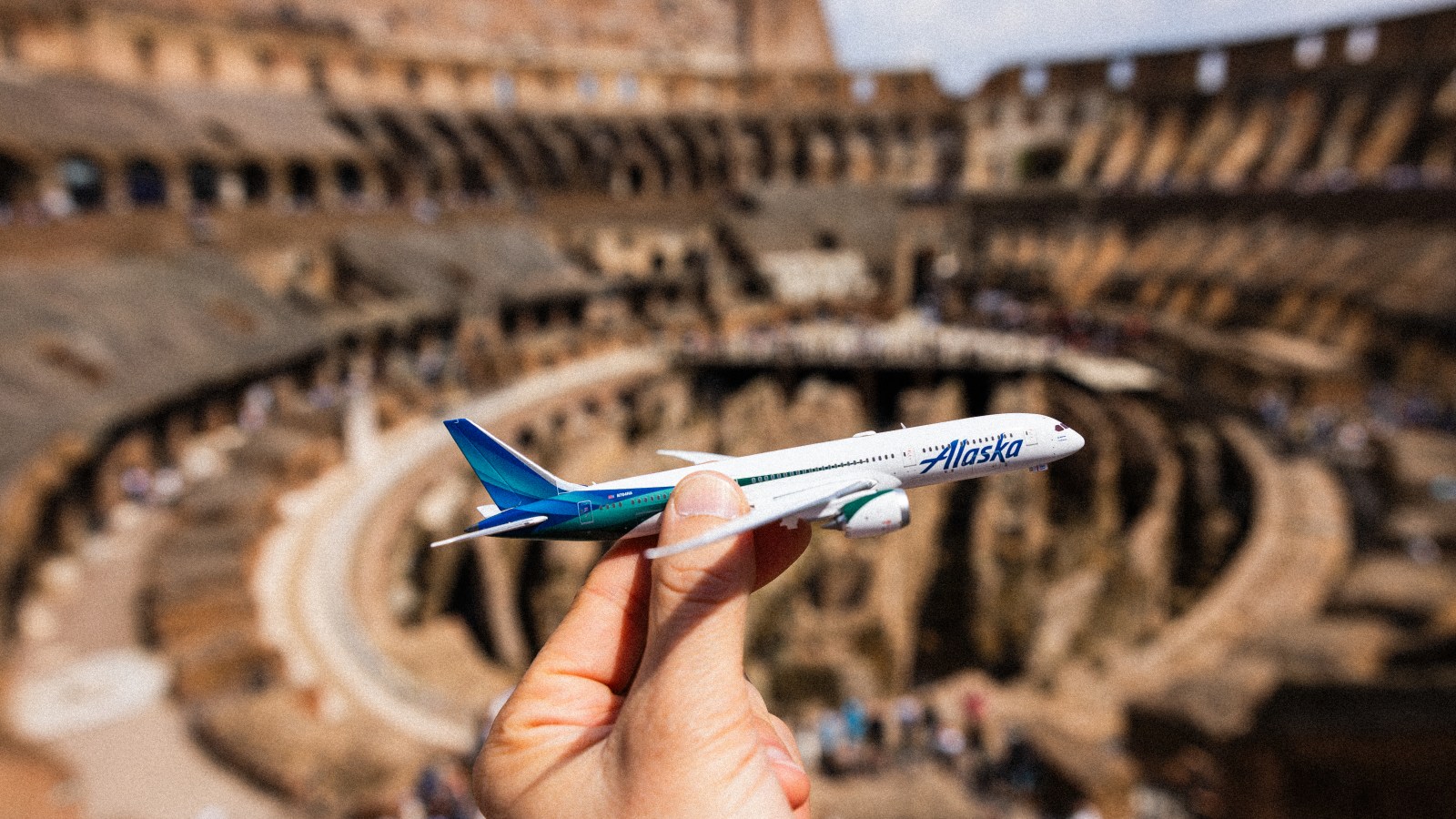
Rome, Italy’s vibrant and historic capital, attracts millions of visitors each year. To make the most of your trip, it’s essential to plan ahead and be aware of key tips from experienced travelers and locals. From navigating the bustling streets to exploring world-famous landmarks, this guide provides valuable insights to enhance your visit.
First, understanding the best times to visit can significantly impact your experience. Spring (April to June) and early fall (September to October) offer mild weather and fewer crowds. Summer months tend to be hot and crowded, especially around popular sites like the Colosseum and Vatican City. Booking tickets in advance for major attractions can save you hours of waiting in lines. Many sites offer skip-the-line options, which are highly recommended during peak seasons.
Getting around Rome efficiently is crucial. The city has an extensive public transportation system, including buses, trams, and a metro. Purchasing a travel pass can be cost-effective and convenient for unlimited rides within a set period. Walking is also a great way to explore, especially in historic districts where narrow streets and piazzas are best enjoyed on foot. Taxis and ride-sharing services are available but can be more expensive, so plan accordingly.
When it comes to dining, Rome boasts a diverse culinary scene. Local favorites include trattorias serving authentic pasta dishes like carbonara and cacio e pepe. Be cautious of tourist traps; instead, seek out eateries frequented by locals for a more genuine experience. Remember to try traditional Roman pizza and gelato, which are must-tries during your stay.
Accommodation options range from luxury hotels to budget hostels and charming bed-and-breakfasts. Staying centrally, near landmarks like Piazza Navona or the Pantheon, allows easier access to major sites but can be pricier. Booking well in advance ensures better rates and availability, especially during peak travel seasons.
Safety and etiquette are important considerations. Keep an eye on your belongings, especially in crowded areas, to prevent pickpocketing. When visiting religious sites like St. Peter’s Basilica, dress modestly with covered shoulders and knees. Learning a few basic Italian phrases can also enhance interactions with locals and show respect for the culture.
In summary, a well-planned trip to Rome involves choosing the right time to visit, navigating the city efficiently, savoring authentic cuisine, and respecting local customs. With these tips, travelers can enjoy a memorable and enriching experience in Italy’s eternal city.